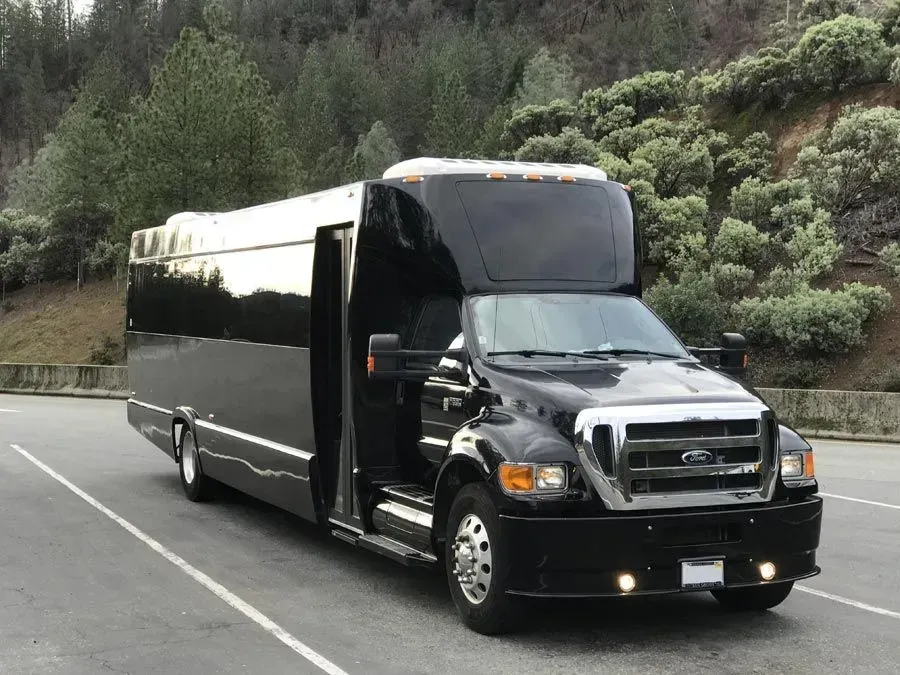
Organizing an event requires attention to many aspects, with transport frequently overlooked. A frequent car service error is expecting attendees to arrive independently or depend entirely on their own cars. Such assumptions may cause lateness, scheduling conflicts, and added stress for everyone involved. Accurately estimating guest transport needs, including accessibility requirements, is essential. Taking into account ease of access and convenience guarantees timely and comfortable arrivals. Failing to address these factors can interrupt the event’s flow and reduce attendee satisfaction.
Scheduling vehicles without accounting for the number of guests can result in overcrowded rides or long waits. It’s important to plan transportation logistics with flexibility to handle unexpected changes. Reserving trustworthy providers early mitigates risks from short-notice shortages. Accounting for rush hours and traffic trends helps reduce tardiness and keeps events on track. A thoughtfully organized transportation plan reflects professionalism and attention to detail. Haas Limo provides reliable service so attendees travel smoothly throughout.
Neglecting Clear Directions to Transportation Teams
Clear communication with transportation providers is essential for a successful event. Errors about pickup schedules, destinations, or vehicle types can cause chaos during the event. Providing detailed instructions and confirming arrangements multiple times can prevent these errors. Drivers should be briefed on specific needs or VIP requirements. Insufficient communication can compromise transport quality and disrupt guest experiences. Keeping all parties informed fosters trust and dependable execution.
Assigning one liaison to manage all transport arrangements streamlines communication. This helps in addressing last-minute changes efficiently and ensures that drivers are aware of the complete schedule. Verifying routes and timing beforehand minimizes potential setbacks. Additionally, sharing important contact information with guests allows them to communicate any concerns promptly. Open and detailed communication ensures seamless execution. Maintaining consistent updates throughout the planning process strengthens trust between hosts and providers.
Ignoring the Importance of Timing
Time management plays a key role in coordinating event transport. Misjudging travel durations can lead to guests arriving late or stressed, impacting the event schedule. Including extra time for congestion, unexpected holdups, or parking issues reduces strain. Coordinating arrival times to avoid congestion and ensure a steady flow of guests enhances the overall experience. Timing should account for both the start and end of the event, ensuring a seamless transition. Accurate timing reflects competence and careful planning.
Packing cars beyond capacity or miscalculating durations creates issues. Detailed itineraries enable teams to execute transport without confusion. Planning sequential routes and timing for multiple stops maintains comfort and punctuality. Accounting for attendees with special needs increases operational effectiveness. Careful scheduling reduces anxiety and complications. Proper timing frees organizers to concentrate on the event rather than transport concerns.
Overlooking Special Guest Requirements
Every event may have guests with specific needs that require careful consideration. Special needs might involve mobility assistance, specific in-car amenities, or VIP confidentiality. Neglecting such considerations results in unhappy or stressed attendees. Early planning ensures transport solutions meet unique guest requirements. Making attendees feel respected and accommodated improves the event’s perception. Considering individual needs reflects professionalism and thoughtfulness.
Giving detailed guidance on special requirements ensures smooth operations. Providing accessible cars or extra storage accommodates equipment and reduces surprises. Predicting possible challenges demonstrates preparedness and guest-first thinking. Guests who feel accommodated are more likely to have a positive and memorable experience. Careful consideration by hosts helps prevent avoidable problems. Meticulous preparation guarantees safe, pleasant transport for every guest.
Neglecting Vehicle Maintenance and Quality
Guest perception is greatly influenced by vehicle condition and reliability. Using vehicles that are outdated, poorly maintained, or uncomfortable can create negative impressions. Regular inspections of cleanliness, mechanics, and interior amenities are vital. A luxury experience is defined not only by punctuality but also by the quality of the ride itself. Guests expect smooth, safe, and enjoyable transportation, particularly for high-profile or formal events. Neglecting maintenance may diminish the impact of well-planned event logistics.
Scheduling maintenance before a major event ensures reliability and peace of mind. Checking audio, ambiance lighting, and temperature controls enhances comfort. For special events, additional touches like refreshments or ambient lighting can enhance the luxury experience. Advance preparation helps prevent scheduling or comfort problems. Maintaining high standards demonstrates competence and meticulous planning. Guests notice these details, and it often sets the tone for their overall perception of the event.
Neglecting Contingency Planning
Events rarely go exactly as planned, making flexibility an essential part of transportation logistics. Unexpected traffic, weather, or additional attendees can upset timing. Ignoring backup plans increases the risk of disruption. Contingency measures like extra transport or flexible routing help prevent interruptions. Planning for flexibility helps maintain the confidence of both guests and staff. Flexibility ensures a seamless and pleasant event experience.
Working with a provider to plan alternatives enhances event reliability. Alerting drivers to possible modifications ensures rapid adaptation. Having a clear plan for emergency situations minimizes disruption and ensures guests feel secure. Foreseeing potential issues reflects careful planning and competence. Readiness and adaptability are essential to flawless event transportation. Planning for contingencies helps maintain order and event quality.
Selecting Inappropriate Vehicles
Choosing cars that mismatch the occasion or audience can reduce comfort. Vehicle size misalignment can cause discomfort or lack of intimacy. Understanding the right vehicle type for the number of guests, luggage needs, and event style is critical. Features such as internet access, temperature control, and roominess enhance travel ease. Choosing the right cars guarantees alignment with event tone and elegance. This consideration reflects meticulous planning and attention to detail.
Using experienced providers streamlines the selection of appropriate vehicles. Skilled transport services align car options with guest needs and event style. This includes accounting for guest comfort, style preferences, and any additional requirements. Choosing carefully reduces logistical issues and improves enjoyment. Haas Limo helps guarantee luxurious, reliable, and comfortable arrivals. Vehicle appropriateness leaves a positive, lasting impact on guests.
Lack of Synchronization Among Transportation Teams
Driver and staff alignment is vital, yet sometimes neglected. Lack of synchronization may cause timing issues and logistical confusion. Open lines between drivers, organizers, and staff maintain clarity. Providing detailed itineraries and contact information allows drivers to adjust quickly to any changes. Synchronized efforts guarantee smooth operations and reduce anxiety. Coordinated logistics reinforce event quality and guest satisfaction.
Holding briefings ensures everyone understands the schedule and expectations. Designating control points and backup plans aids in handling surprises. Tracking guest movement avoids congestion and scheduling problems. Transparent communication promotes safe, pleasant, and organized transport. Working with Haas Limo provides expert oversight of all logistical communication. Well-synchronized transportation operations leave a lasting impression of reliability and excellence.